
Introduction to Vietnamese Culture and Travel
Vietnam is a breathtaking country steeped in rich culture, history, and diversity. From its picturesque landscapes and bustling cities to its intricate traditions and warm-hearted people, Vietnam has emerged as a must-visit destination for travelers seeking an authentic cultural experience. The fusion of ancient customs and modern influences creates a vibrant tapestry that attracts millions annually. To truly appreciate Vietnamese culture, one must look beyond the surface and explore the nuances that define this captivating nation. For comprehensive insights into traveling in Vietnam, https://joeyvisavietnam.com/ is an excellent resource.
Overview of Vietnam’s Rich Heritage
Vietnam's heritage is a mosaic of indigenous cultures enriched by millennia of foreign influence. The country's long history can be traced back over 2,000 years, featuring dynasties that have shaped its distinct identity. Influences from China, France, and the United States have left indelible marks on the language, architecture, and arts found throughout the country. Traditional Vietnamese music, dance, and art forms reflect regional stories and values, helping maintain a connection to the past while embracing modernity.
Understanding Local Customs and Traditions
When visiting Vietnam, understanding local customs is essential for a respectful and immersive experience. Greetings often involve a slight bow or a handshake, and addressing individuals by their titles is customary. Food also plays a crucial role in social gatherings and is often shared communally. Festivals, like Tet (Vietnamese New Year), showcase the vibrant culture through traditional dances, elaborate decorations, and family reunions. Moreover, the concept of harmony is central to Vietnamese society, influencing interpersonal relationships and community cohesion.
Key Destinations for Cultural Immersion
Vietnam is dotted with cultural landmarks that offer insights into its rich history. Hanoi, the capital city, boasts the Old Quarter with its narrow streets, while the Temple of Literature serves as a testament to the country’s Confucian heritage. Ho Chi Minh City, the former Saigon, is home to the War Remnants Museum, which provides a sobering look at the Vietnam War. Additionally, rural areas like Sapa and the Mekong Delta offer opportunities to engage with ethnic minorities and experience traditional farming practices.
Essential Travel Tips for Visiting Vietnam
Visa and Entry Requirements Explained
Travelers planning a trip to Vietnam should familiarize themselves with visa regulations. Most visitors need a visa, which can be obtained through various methods, including online e-visas or visa-on-arrival options. The requirements and processes may vary based on nationality, and it is advisable to check with the nearest Vietnamese embassy or the official government site for the latest updates. Acquiring a visa ahead of time can save travelers from potential hassles upon arrival.
Best Times to Visit for Cultural Experiences
The best time to visit Vietnam largely depends on the region. Northern Vietnam experiences a cooler climate from November to March, making it ideal for trekking and exploring cities like Hanoi and Halong Bay. Central Vietnam offers pleasant weather from February to April, perfect for visiting Hue and Hoi An. Meanwhile, the southern region has a tropical climate, with the dry season from December to April being the best time to explore Ho Chi Minh City and the Mekong Delta. Timing your visit can enhance your cultural experiences across the country.
Navigating Transportation Options in Vietnam
Getting around Vietnam can be an adventure in itself. Major cities are equipped with reliable public transportation systems, including buses and taxis. However, the most popular way to traverse the bustling streets is by motorbike, which provides a unique perspective on local life. For longer distances, trains and domestic flights serve as convenient options. Planning your transportation ahead of time, especially during peak tourist seasons, can ensure a smoother journey.
Exploring Vietnamese Cuisine
Iconic Dishes Every Traveler Should Try
Vietnamese cuisine is renowned for its fresh ingredients, vibrant flavors, and healthy cooking techniques. Dishes like Pho, a fragrant noodle soup, and Banh Mi, a flavorful sandwich, are must-tries. Other popular selections include spring rolls, both fried and fresh, and various rice dishes, such as Com tam (broken rice). Additionally, regional specialties vary significantly from north to south, offering travelers a chance to savor diverse culinary experiences throughout their journey.
Street Food Experiences: Where and How
Street food is integral to Vietnam's culinary landscape and shouldn't be missed. Popular areas like Hanoi's Old Quarter and Ho Chi Minh City's Ben Thanh Market are bustling with food stalls serving delicious and affordable dishes. For a more immersive experience, consider joining a food tour led by locals who can guide you to hidden gems and share the stories behind each dish. Don't hesitate to indulge in local snacks and drinks; the offerings are plentiful and varied.
Cooking Classes and Culinary Tours
For those interested in taking home a piece of Vietnam, cooking classes are an excellent way to learn about Vietnamese cuisine. Many classes begin with a guided trip to a local market, where participants can select fresh ingredients before heading back to the kitchen. Not only do these experiences provide practical skills, but they also foster a deeper appreciation for Vietnamese culinary traditions. Culinary tours can also include visits to rural farms, showcasing the importance of agriculture in Vietnamese food culture.
Connecting with Local Communities
Participating in Cultural Festivals and Events
Vietnam is a land of festivals, each reflecting the rich tapestry of its culture. Major events like Tet and the Mid-Autumn Festival are celebrated nationwide, while regional festivals often highlight local customs and traditions. Engaging in these festivities allows travelers to connect with locals and experience Vietnam's vibrant culture firsthand. Participants can expect lively music, traditional dances, and delicious food during these celebrations, making them unforgettable highlights of any visit.
Volunteer Opportunities with Local Organizations
For travelers looking to make a positive impact, volunteering with local organizations is a rewarding option. Various NGOs and community groups welcome assistance in areas like education, environmental conservation, and healthcare. This engagement offers travelers a chance to learn about local issues and contribute to meaningful projects while fostering connections with the community. It's a unique way to immerse oneself in Vietnamese culture beyond the typical tourist experience.
Supporting Artisan Markets and Local Crafts
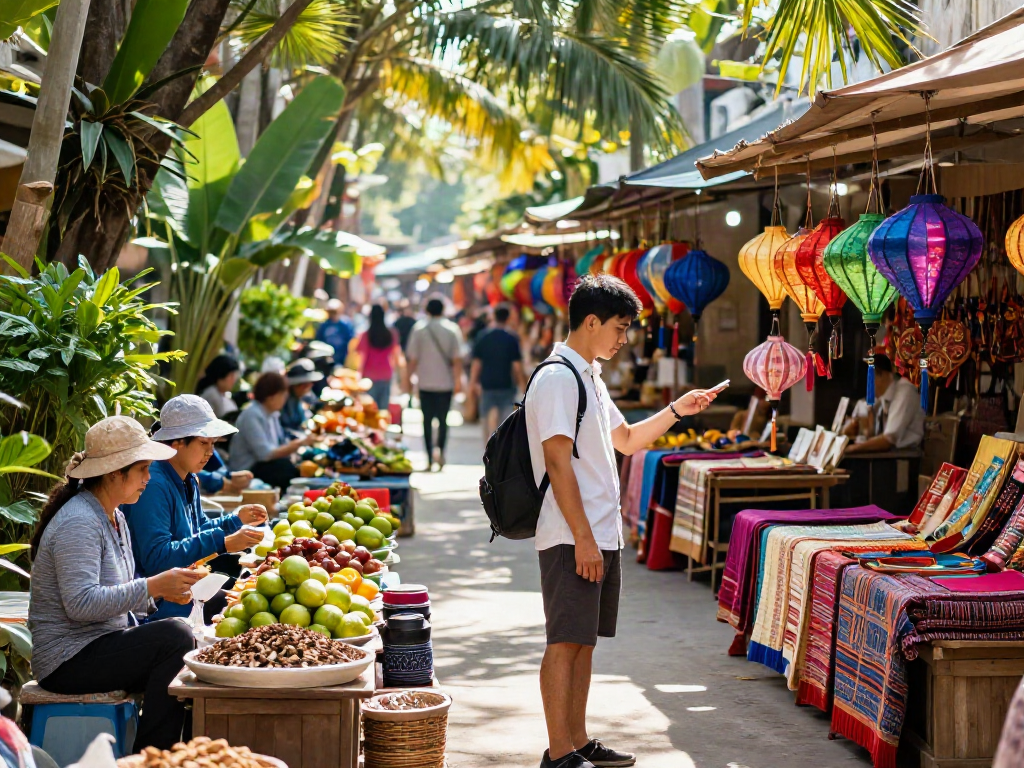
Supporting local artisans is vital for preserving Vietnam's cultural heritage. Artisan markets, particularly in cities like Hoi An and Hanoi, offer handcrafted goods, textiles, and ceramics that reflect the country’s unique craftsmanship. Visiting these markets not only provides travelers with authentic souvenirs but also helps sustain local economies and traditions. Engaging with artisans can enrich your understanding of their craft, making each purchase more meaningful.
Future Trends in Vietnamese Tourism
Sustainable Travel Practices in Vietnam
As global awareness of sustainability increases, Vietnam is adapting its tourism practices to prioritize environmental and cultural preservation. Eco-friendly initiatives around popular tourist spots promote responsible practices such as reduced plastic use and community involvement in conservation projects. Travelers can support sustainable tourism by choosing eco-lodges, participating in community-led experiences, and being mindful of their environmental impact while traveling.
Technology’s Impact on Travel Experience
Technology is reshaping the travel experience in Vietnam, from online booking platforms to mobile apps that provide real-time information on transportation and attractions. Additionally, virtual reality experiences are gaining traction, allowing potential travelers to preview destinations. Digital payment methods have also become commonplace, providing convenience for both tourists and local businesses. This technological transformation enables travelers to navigate Vietnam more efficiently and enhances overall travel experiences.
Emerging Tourist Destinations in 2026
As Vietnam grows in popularity, new tourist destinations are emerging on the radar. Cities like Da Nang and Nha Trang are increasingly recognized for their stunning beaches and vibrant nightlife, while areas like Phong Nha-Ke Bang National Park are gaining attention for their stunning natural beauty and adventure activities. Furthermore, the northern highlands are attracting those interested in treks and cultural immersion with ethnic minority communities. Keeping an eye on these emerging destinations can offer travelers fresh experiences beyond the well-trodden paths.
What are the must-try dishes in Vietnam?
Many iconic dishes aren’t to be missed when visiting Vietnam, including Pho, Banh Mi, and fresh spring rolls. Each region offers unique specialties that provide insight into the country’s diverse culinary landscape.
How do I get a visa for Vietnam?
Visa requirements vary by country, and travelers can obtain a visa through an e-visa process, visa on arrival, or at a Vietnamese embassy. It's important to check the specific requirements based on your nationality.
When is the best time to visit Vietnam?
The best time to visit depends on the region: northern Vietnam is best visited from November to March, central Vietnam from February to April, and southern Vietnam from December to April for pleasant weather.
What cultural festivals should I attend?
Don’t miss major festivals such as Tet (Vietnamese New Year) and the Mid-Autumn Festival, both of which showcase Vietnam's rich traditions and social gatherings.
How can I support local artisans while traveling?
Supporting local artisans can be achieved by purchasing handmade goods from artisan markets and engaging directly with craftspeople, ensuring that your contributions positively impact their livelihoods.